Beat the Heat: Georgia Roof Prep Guide
Table of Contents
Why May Is the Ideal Time to Prepare Your Georgia Roof
In other words, timing matters just as much as the work you do. In Georgia, May is that short, sweet window between spring storms and full-blown summer heat. From our perspective here at Graceful Living Roofing in Covington, GA, this is the month when smart homeowners get ahead of roof trouble. The temperatures are warm enough for materials to seal properly, but not so hot that shingles and attic spaces become dangerous to work around. You also have time to schedule repairs before roofing companies book up with emergency calls once the first major heat wave arrives.
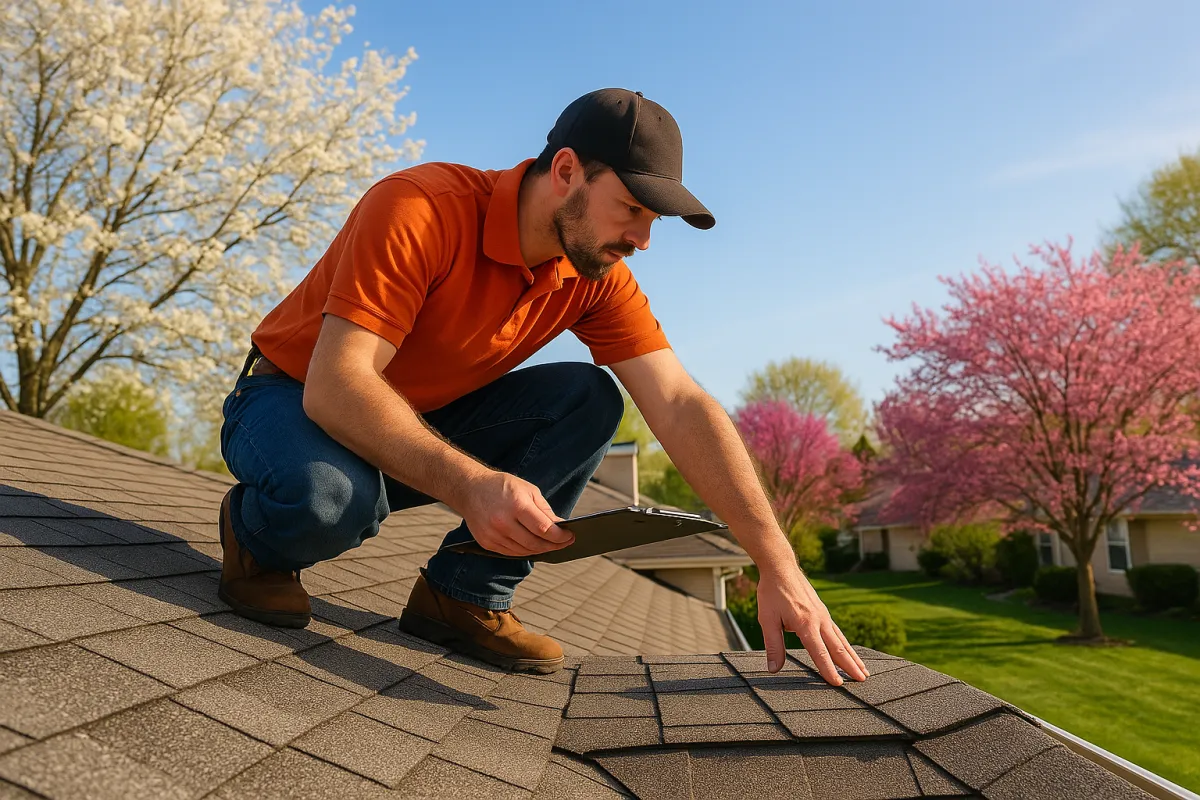
Because of that, we think of May as your best opportunity to stay ahead of problems rather than react to them. For us, May roof work is all about prevention. A focused roof inspection Georgia homeowners schedule now can reveal small problems—like cracked shingles, loose flashing, or clogged vents—that would become big, expensive issues under July and August sun. I often tell our customers, "If you wait until you see a stain on the ceiling, the roof has already been talking to you for a while."
💡 Pro Tip from Michael: Treat May like your annual “roof checkup month.” A little attention now almost always costs less than emergency repairs in August.
How UV Rays Damage Your Shingles in Georgia Summers
Once you understand why May is the right time, the next step is knowing what you’re actually protecting your roof from. One of the biggest threats to Georgia roofing in summer is UV exposure. Day after day of direct sunlight breaks down the protective oils and granules on asphalt shingles. Over time, they become brittle, curl at the edges, and lose the gritty surface that shields your home from heat and rain. On the ground, you might notice shingle granules washing into your gutters or collecting at the bottom of downspouts—that’s a sign your roof is aging faster than it should under the sun.
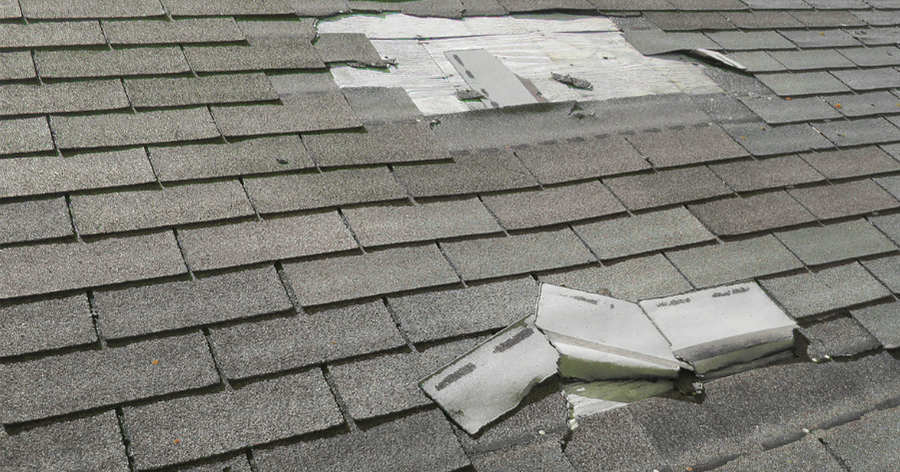
Knowing what UV damage looks like makes your May inspection much more effective. When I’m doing roofing inspections, I usually start by checking the sunniest slopes of the roof. South- and west-facing sections usually show UV damage first in Georgia. In May, before summer reaches its peak, we recommend looking for:
- Shingles that are cracked, curled, or cupped at the edges
- Bald spots where protective granules are missing
- Discoloration or patchy areas compared with the rest of the roof
Catching these early warning signs is key to avoiding bigger headaches later. Left alone, UV-damaged shingles are more likely to crack under thermal expansion, blow off in a storm, or allow water intrusion. Replacing a few compromised shingles in May is far more affordable than repairing decking, insulation, and drywall after a midsummer leak.

Attic Heat Buildup: The Hidden Summer Problem
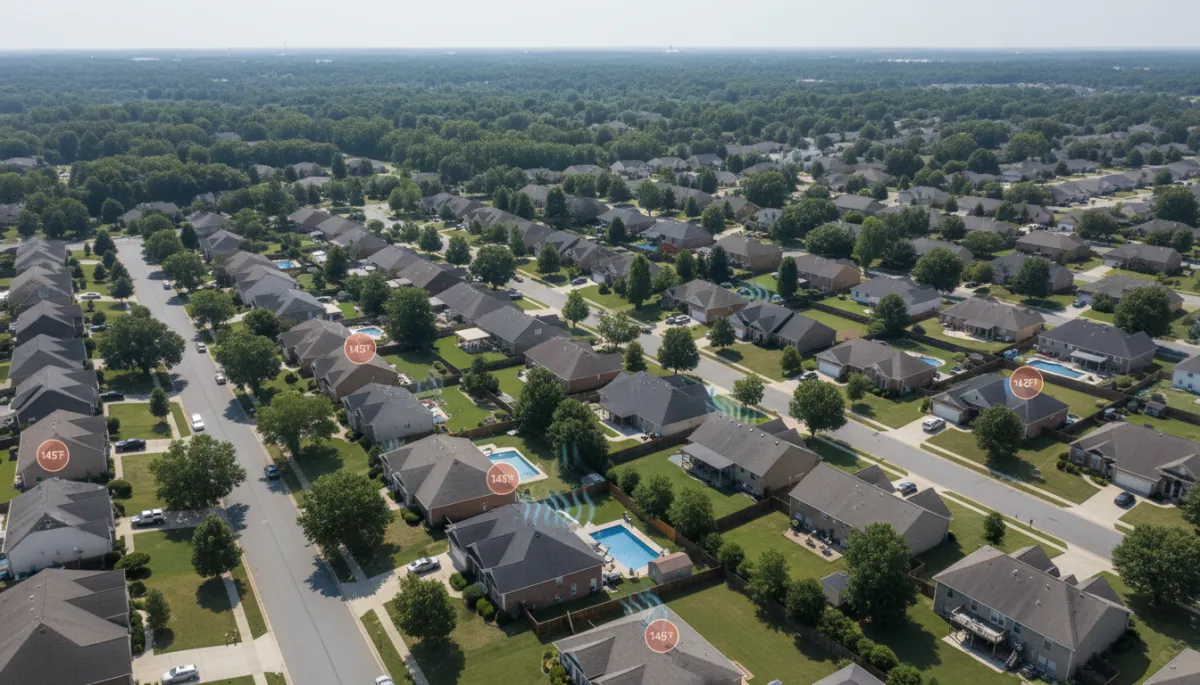
Of course, the sun doesn’t just affect what you see on top of your home—it also changes what’s happening underneath. When we talk about summer heat roof prep, we’re not just worried about the outside of your roof. The attic plays a huge role in how your home handles Georgia’s long, hot days. It’s common for attic temperatures to climb well over 120°F in July and August. That trapped heat radiates down into your living spaces, making your air conditioner work overtime and driving up your power bill.
Thinking about your attic as part of the roofing system helps the whole picture make more sense. I often explain it this way to Georgia homeowners: your attic should be closer to the outside temperature than the inside temperature. If it feels like a sauna up there in May, it will be unbearable—and potentially damaging—by July. Excess attic heat can cause shingles to age faster, warp roof decking, and even shorten the life of your HVAC system as it battles the heat load from above.
📌 Key Takeaway: If your attic is roasting on a mild May afternoon, that’s your early warning sign to address ventilation and insulation before peak summer.
Humidity, Moisture, and Georgia Roofs
Heat is only part of the story, though. In our climate, what’s happening with moisture is just as important. Heat is only half the story in our climate— humidity is the other. Georgia’s thick summer air can push moisture into every crack and crevice of your home, especially in poorly ventilated attics. When warm, moist air meets cooler surfaces, it condenses, leading to damp insulation, mold, and mildew. Over time, this trapped moisture can rot wood framing and roof decking, even if your shingles look fine from the street.
That’s why a good roof checkup always includes a look inside as well as outside. During a professional roof inspection Georgia homeowners schedule with Graceful Living Roofing, we check not only the exterior roof surface but also the attic for signs of moisture. These can include:
- Dark staining on roof decking or rafters
- Musty odors or visible mold growth
- Insulation that feels damp or clumped together
When you address these moisture issues early, you protect far more than just your shingles. Addressing humidity issues in May—before the stickiest months roll in—protects your roof structure and improves indoor air quality. It’s a key part of long-term Georgia roofing health that many homeowners overlook until there’s a serious problem.