Weatherproof Your Georgia Home for Summer
Table of Contents
Why Weatherproofing Matters So Much in Georgia
Georgia’s climate is beautiful, but it’s tough on roofs. Long, hot summers, sudden downpours, and high humidity all team up to weaken shingles, flashing, and sealants over time. When you add in severe thunderstorms and hail, it’s easy to see why smart homeowners make weatherproofing Georgia homes a priority instead of waiting for leaks to show up in the living room ceiling.
Weatherproofing is really about being proactive. It means making sure your roof, gutters, vents, and attic are all working together to keep water out, heat under control, and your home comfortable and safe. A little attention now can save you from major roof storm damage, expensive repairs, and frustrating insurance battles later on.
Georgia Summer Threat #1: Intense Heat and UV Rays
When that Georgia sun is beating down day after day, your roof is often the first to feel it. Shingles can dry out, curl, and crack. Dark roofs can reach temperatures well over 150°F, which doesn’t just wear out materials—it also drives up your cooling bills and makes your attic feel like an oven. That’s a big factor in summer roofing Georgia concerns that many homeowners overlook until problems show up inside the house.
Proper ventilation, reflective roofing options, and high-quality underlayment all help your home handle the heat. A well-weatherproofed roof lets hot air escape from the attic instead of baking your insulation and warping your decking. Over time, that can extend the life of your roof and keep your power bills from spiraling every July and August.
Georgia Summer Threat #2: Humidity, Heavy Rain, and Leaks
Of course, it’s not just the heat—it’s the humidity. Moist air plus frequent rain showers can sneak moisture into tiny gaps around vents, chimneys, and flashing. Over time, that can lead to mold, mildew, and wood rot, even if you never see a dramatic leak. That’s why regular inspections and sealing are such a big part of summer roofing Georgia maintenance.
Good weatherproofing includes checking for lifted shingles, cracked sealant, clogged gutters, and soft spots in the decking. Catching these issues early keeps water out of your attic and away from your drywall, wiring, and insulation. It’s much easier—and cheaper—to fix a small problem on the roof than a big one inside your home after a stormy week.
Georgia Summer Threat #3: Thunderstorms, Wind, and Hail
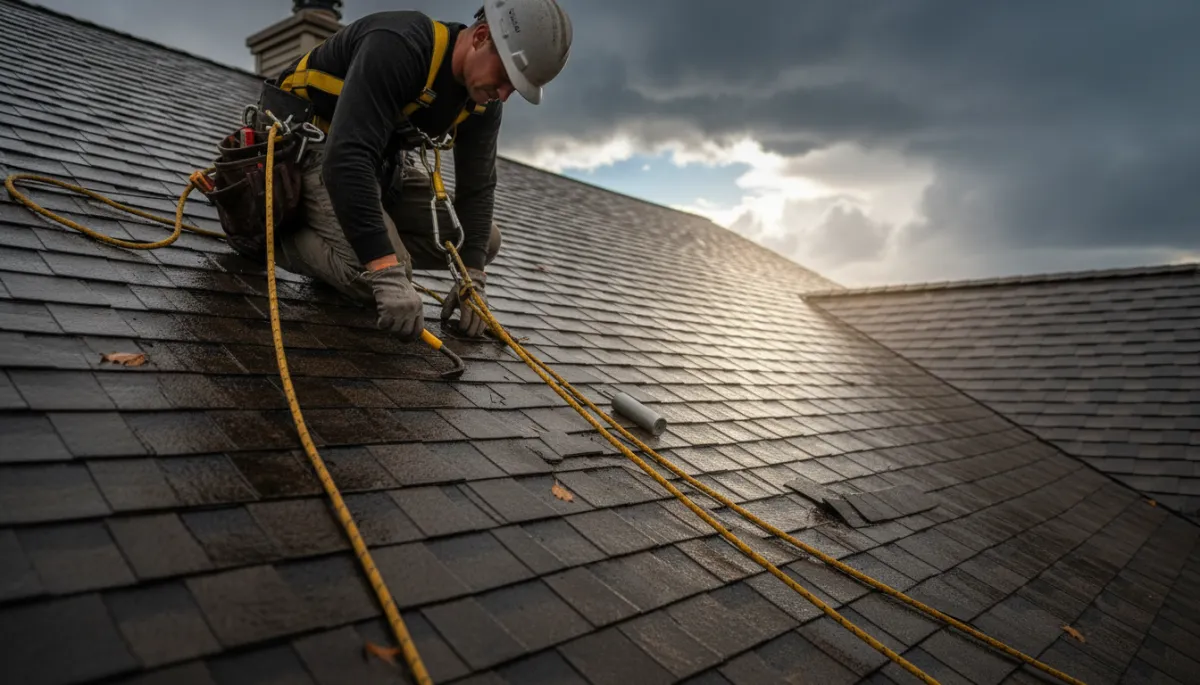
Those classic Georgia afternoon storms may be quick, but they can be fierce. High winds can lift shingles, tear off ridge caps, and send branches crashing onto your roof. Hail, even when it’s only the size of marbles, can bruise shingles, knock off protective granules, and shorten the life of your roof—often without obvious damage from the ground. That’s when roof storm damage can quietly set the stage for future leaks and headaches.
After any strong storm or hail event, it’s smart to have a trusted local expert check your roof. Hidden hail damage can absolutely affect insurance claims roofing Georgia homeowners file later, especially when adjusters are trying to decide whether repairs or replacement are necessary. Documenting damage early gives you a stronger case if problems worsen down the road.
What Is the 25% Rule for Roofing in Georgia?
You may have heard neighbors or contractors mention the “25% rule” and wondered, “What is the 25% rule for roofing?” In Georgia, building codes say that if more than 25% of your roof’s surface needs repair within a 12‑month period, that section generally has to be brought up to current code—and in many cases, that means full replacement rather than patchwork fixes.
This matters a lot when it comes to insurance claims roofing Georgia homeowners file after storms or hail. If a qualified roofing professional documents that more than a quarter of your roof has been damaged, your insurance company may be obligated to pay for replacing that entire section, not just a few shingles. Understanding the 25% rule helps you avoid settling for quick, inadequate repairs that don’t really solve the problem or meet code.
💡 Helpful Tip: When you ask, “What is the 25% rule for roofing?” think of it as a line in the sand. Once damage crosses that threshold, you should be talking about replacement and code compliance—not just patching.