Protect Your Roof from Georgia's July Heat
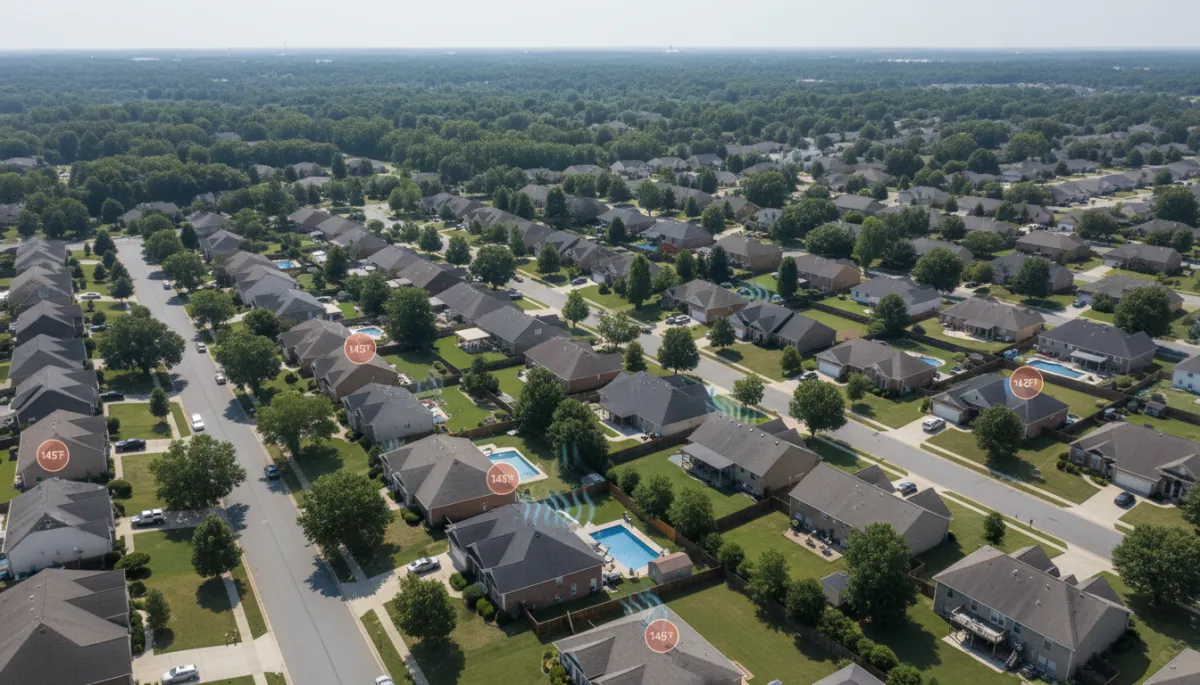
Table of Contents
How July Heat Attacks Georgia Roofs
In July, it is common for air temperatures in Covington, GA to reach the 90s. However, roof surfaces can climb much higher. Dark asphalt shingles may hit 150–160°F on a clear afternoon. This intense, sustained heat has several effects that Georgia homeowners should understand clearly before damage becomes visible inside the home.
- Thermal expansion and contraction: Roofing materials expand in the afternoon heat and contract overnight. Repeated daily cycles in July can loosen fasteners, open small gaps, and stress sealants around vents and flashing.
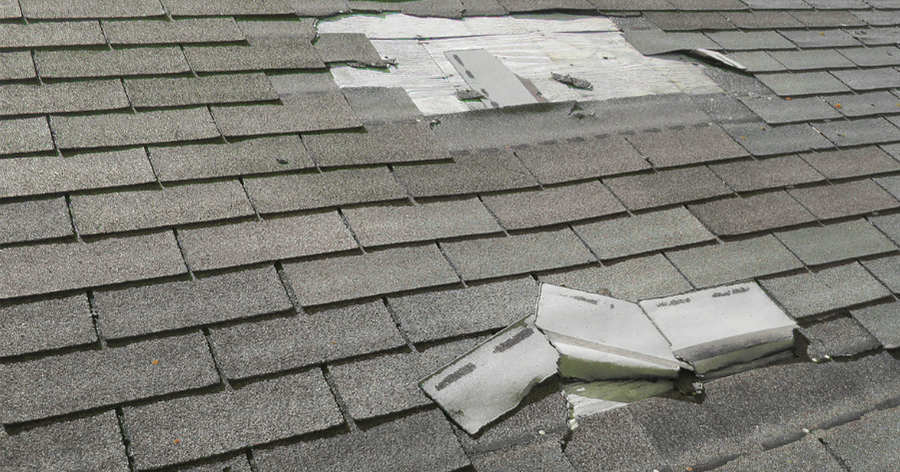
- Accelerated shingle aging: Asphalt shingles are especially vulnerable. High temperatures dry out the asphalt, leading to brittleness, granule loss, and curling edges that invite wind and rain to get underneath.
- UV radiation damage: Strong Georgia sun breaks down the protective top layer of shingles. Over time, this reduces their waterproofing ability and shortens the overall life of the roof system.
📌 Key Takeaway: The damage from July heat is often silent and gradual. By the time leaks appear in your ceiling, the underlying roof system may already be significantly compromised.
Why Covington and Georgia Roofs Face Unique Summer Stress
Georgia’s climate combines three factors that make July especially challenging for roofs: high heat, intense sunlight, and humidity. Homeowners searching for roofing Covington, GA solutions are often dealing with more than just age; they are managing the long-term effects of this particular weather pattern on their homes.
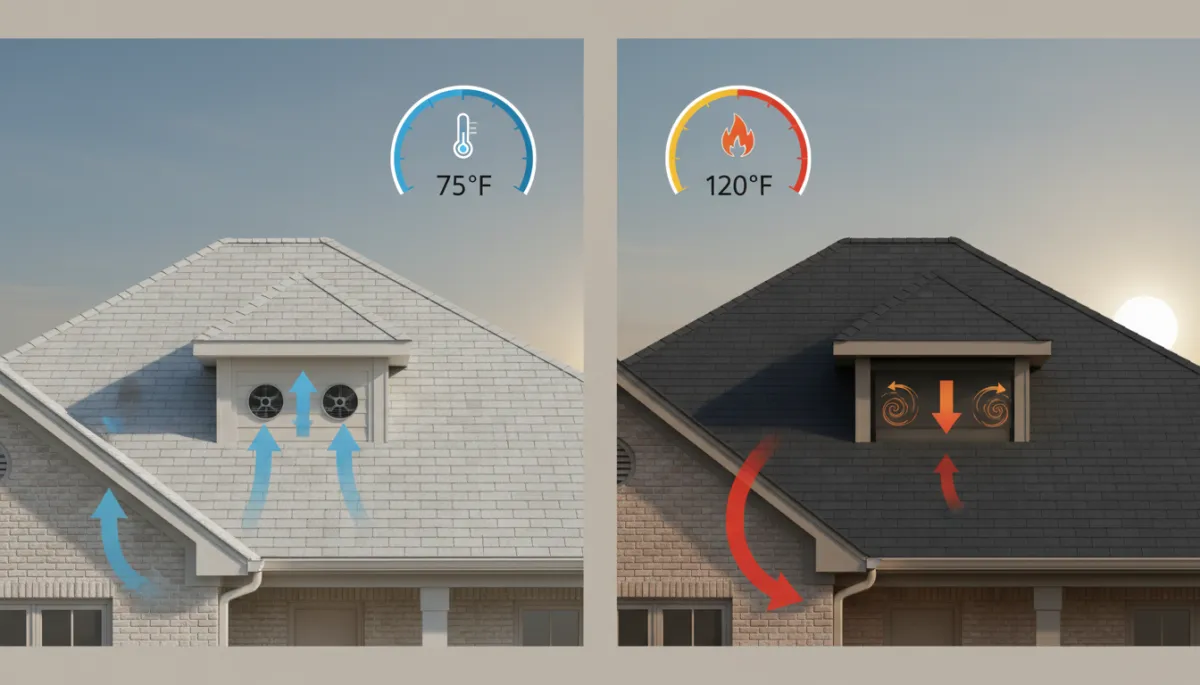
- Heat plus humidity: Moist air can get trapped in poorly ventilated attics, raising attic temperatures even further and cooking the underside of the roof deck.
- Afternoon storms: Sudden July thunderstorms in Covington can follow hours of intense sun. Rapid temperature changes create additional movement in roofing materials and test every weak spot with wind-driven rain.
- Tree coverage: Many Georgia homes are shaded by pines and hardwoods. While shade can cool the roof, overhanging branches drop debris that traps moisture and accelerates deterioration in already heat-stressed areas.
Michael Hale’s Expert Perspective on Summer Roof Damage
For homeowners, it is helpful to hear from someone who works on Georgia roofs every day. Roofing specialist Michael Hale owner of Graceful Living Roofing, has inspected and repaired thousands of roofs across Covington and the surrounding communities. His experience offers practical insight into how July heat really affects local homes and why early attention matters.
According to Hale, many of the midsummer service calls he receives begin with small warning signs: a few shingles that look wavy, granules collecting in gutters, or a hot upstairs room that no longer cools properly. These issues may seem minor, but they often indicate that heat has already started to break down key components of the roofing system and attic ventilation.
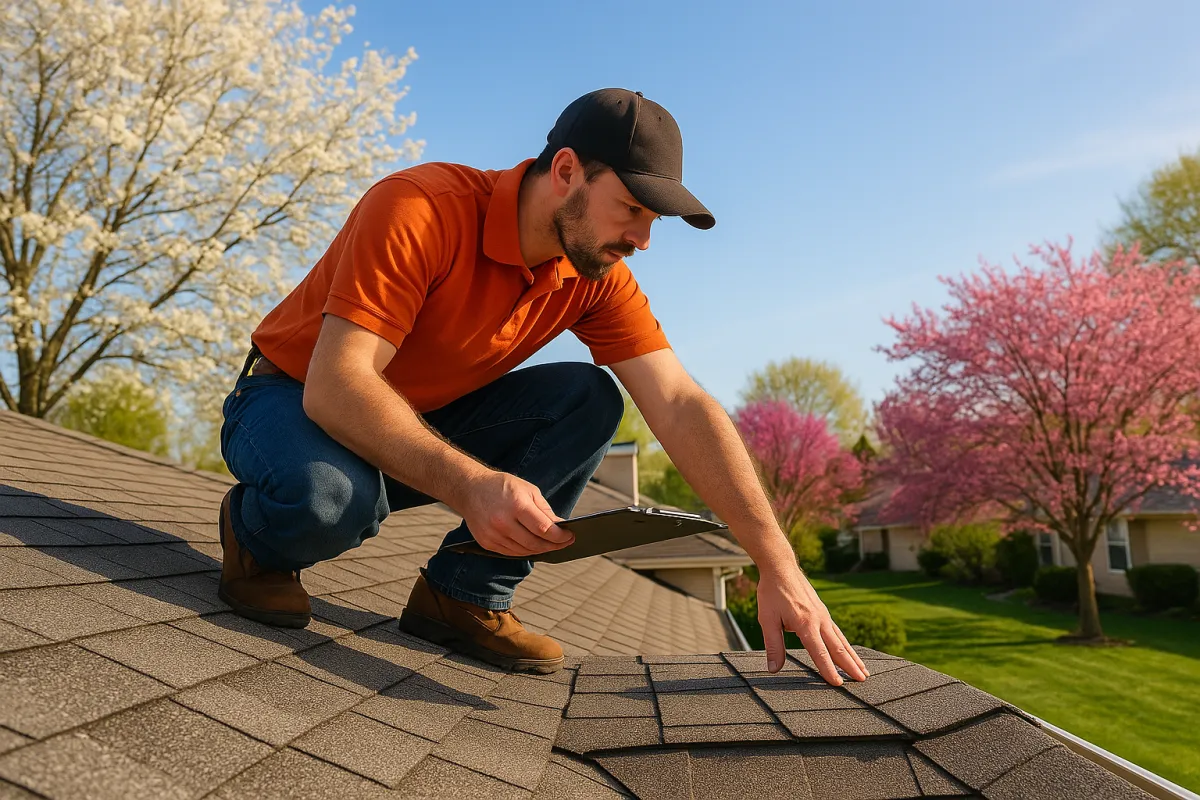
💡 Pro Tip from Michael Hale: Schedule a professional roof and attic check at least once every summer. Identifying heat-related stress early costs far less than repairing structural damage after a storm exposes hidden weaknesses.
Practical Steps Georgia Homeowners Can Take This July
- Perform a visual ground inspection. Walk around your home and look for curled, cracked, or missing shingles, sagging areas, and dark streaks.
- Check your attic during the afternoon. A quick visit on a hot July day will reveal whether heat is becoming trapped.
- Clear debris and manage nearby trees. Remove leaves and branches from gutters and roof valleys so water can flow freely after storms.
- Consult a trusted local roofing expert. Working with an experienced professional ensures that any recommendations are tailored to Georgia’s specific heat and storm patterns.
Planning Ahead: Making Your Next Roof More Heat-Resistant
Eventually, every roof in Georgia will need replacement. When that time comes, July’s heat should be a major factor in your decisions.
- Cooler roofing materials: Lighter-colored shingles and modern reflective products absorb less heat.
- Upgraded ventilation systems: Ridge vents, soffit vents, and properly sized exhaust fans help move superheated air out of the attic.
- Balanced insulation: Adequate insulation keeps conditioned air inside your home while still allowing the roof structure to breathe.