What Are the Signs You Need a New Roof?
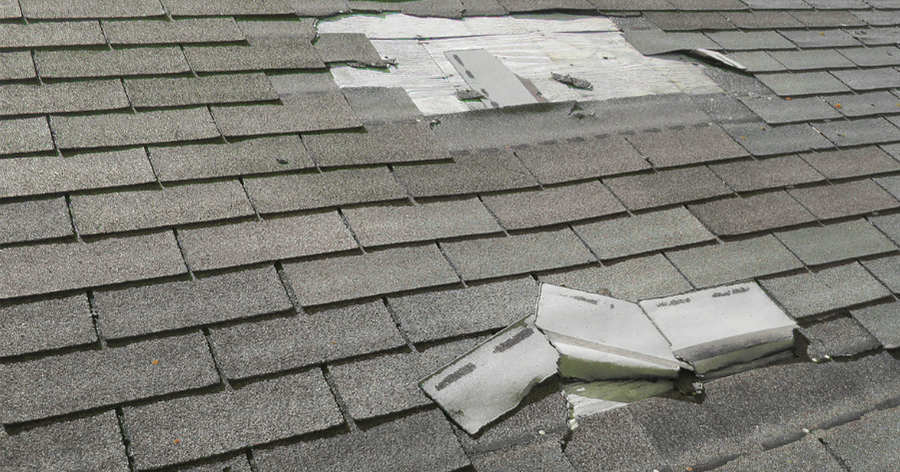
Table of Contents
- The Roof Is Getting Old
- The Shingles Are Curling, Cupping, or Buckling
- Granules Are Showing Up in the Gutters
- There's a Stain, a Leak, or Daylight in the Attic
- The Roof Deck Feels Soft or Sagging
- A Storm Already Came Through
- A Real Example: A Bathroom Leak That Turned Into a Full Roof Replacement
- Photos and Documentation: What You Should Expect
- Where Graceful Living Fits In
- Frequently Asked Questions
- What are the signs I need a new roof?
- How long does an asphalt shingle roof usually last?
- Can a roof be repaired instead of fully replaced?
- Does a roof replacement affect a home's insurance or resale value?
- What is the 25% rule in roofing?
- What does a roof inspection include?
Most homeowners don't wake up one day and decide they need a new roof. It's slower than that. You notice a stain on the ceiling that wasn't there last month. A neighbor two doors down gets a new roof after the last storm and you start wondering about your own. You climb up to clean the gutters and there's a handful of gritty little granules sitting in the bottom, and you're not sure if that's normal or not. None of it feels urgent enough to call anyone about, so it sits on the list, and the list gets longer.
That's the tricky part about roof problems: they rarely announce themselves. A roof that's failing usually looks fine from the driveway right up until it doesn't, and the cost of waiting isn't just a bigger repair bill. It's water finding its way into insulation and framing where you can't see it, energy bills creeping up because the roof isn't doing its job anymore, and a small problem turning into a homeowner standing in the living room with a bucket during the next big storm.
Here's the short answer: age, shingle condition, granule loss, and anything showing up on the ceiling or in the attic are the four things worth checking first. Most asphalt shingle roofs are built to last 15 to 30 years depending on the material and how exposed the roof is to Georgia's heat and storms, so a roof past the 20-year mark is worth a real look even if nothing seems wrong yet.
The Roof Is Getting Old
Age matters even when a roof looks okay from below. Georgia summers put a lot of heat cycling through shingles, and that shortens their working life compared to a milder climate. If the roof is past 20 years old, or nobody in the house remembers the last time it was replaced, that alone is a reason to get it looked at before storm season, not after.
The Shingles Are Curling, Cupping, or Buckling
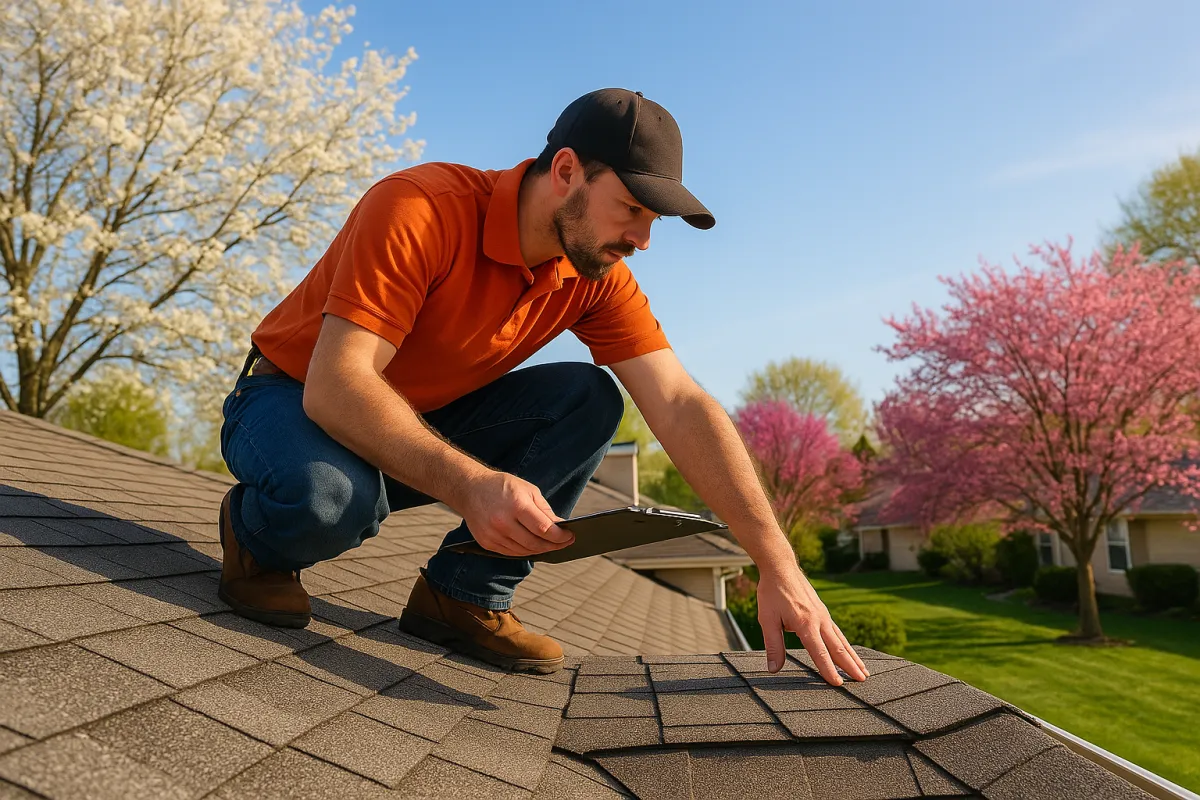
Shingles that lift at the edges, dip in the middle, or ripple across the surface have already lost the flexibility that keeps water out. This usually shows up first on the side of the roof that gets the most direct afternoon sun. From the ground it can look minor. Up close, it means the shingle has stopped doing the one job it has.
Granules Are Showing Up in the Gutters
Every asphalt shingle has a layer of granules on top that protects it from UV and weather. As a roof ages, those granules wear off and end up in the gutters or at the bottom of the downspouts. A few granules after a hard rain is normal. A steady buildup, especially alongside bald or shiny-looking patches on the shingles themselves, means the roof's protective layer is thinning out.
There's a Stain, a Leak, or Daylight in the Attic
A water stain on the ceiling or a wall is the roof telling you it already let water through, not that it's about to. So is a musty smell in the attic, damp insulation, or a beam of daylight visible through the roof boards. These signs mean the problem has moved past the shingles and into the parts of the house that are expensive to dry out and repair.
The Roof Deck Feels Soft or Sagging
Walk the roofline from across the street. A dip or wave anywhere along it, especially near a valley or the edge, points to a deck that's been holding moisture and starting to weaken underneath. This one doesn't wait. A soft deck is a structural issue, not a cosmetic one, and it belongs at the top of the list instead of next month's to-do list.
A Storm Already Came Through
Missing shingles, exposed felt paper, or a section that looks visibly different from the rest of the roof after a wind or hail event usually means storm damage, which is a separate conversation from age-related wear and often involves the homeowner's insurance. If that's the situation, our earlier post on Georgia storm damage coverage walks through what a policy typically covers.
A Real Example: A Bathroom Leak That Turned Into a Full Roof Replacement
Here's how this plays out in real life. Graceful Living Roofing was called out to look at an isolated ceiling leak in one of the home's bathrooms. The roof was about 18 years old. I expected to find a cracked pipe boot, and that's what I found. The pipe boot was cracked, and nail heads were showing and protruding up from the decking.
While assessing the entire roof, I also found multiple slopes with more than eight wind-damaged shingles each. That matters because of what's known as the 25% rule. Many municipal building codes say that if more than 25% of a single roof slope is damaged or needs repair within a 12-month period, the entire slope has to be replaced instead of patched. Every slope on this roof had damage of that magnitude, so I recommended a full roof replacement. Your local building department can confirm how the rule applies in your area.
The leak was small and isolated, but the roof as a whole told a bigger story. That's why we look at the entire roof every time, not just the spot above the stain.
Photos and Documentation: What You Should Expect
Transparency matters to me, so every inspection comes with digital photos and an itemized estimate. During the inspection I take high-resolution photos of every problem area, such as backed-out nails, split flashing, or granule loss. I use digital arrows or circles to highlight the exact defect. Then I compile the photos into a brief written explanation that breaks down the issues in three parts:
- The remaining lifespan of the materials.
- Immediate threats, like active leaks or exposed wood.
- Secondary concerns, like sagging gutters or minor flashing wear.
The estimate is itemized line by line, so you see exactly what you're paying for in materials, labor, and permit fees. You can see what I'm seeing without ever having to climb a ladder.
Where Graceful Living Fits In
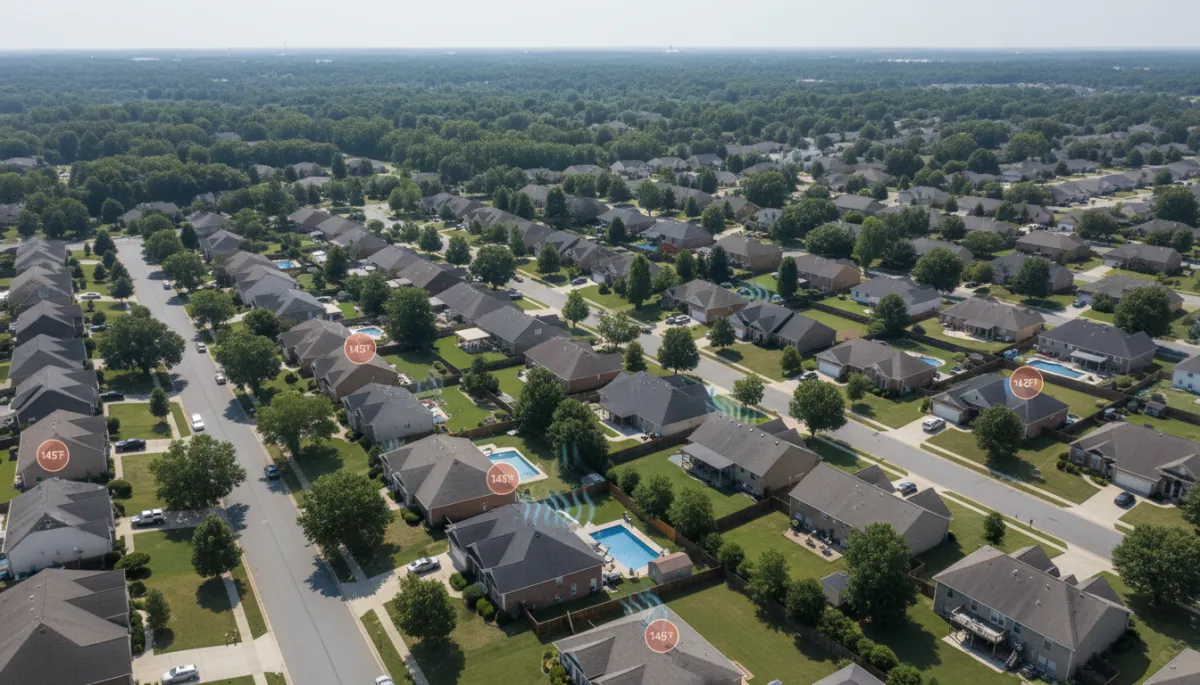
None of this is something a homeowner is expected to diagnose alone from a photo on their phone. That's what the inspection is for. We come out, walk the roof, and tell you plainly what we find: whether it's a repair, a few more good years with the right maintenance, or time for a full replacement. We use satellite imagery for the initial estimate, so there's no pressure walk-around required just to get a number, and if the roof's age or condition ties back to an insurance claim, we handle that paperwork and negotiation directly.
If you've noticed one or two of these signs and you're not sure whether it's worth a call, then a free inspection is the right next step. There's no cost to find out, and it beats guessing for another season.
To book an inspection, go to gracefullivingroofing.com and our AI assistant will help you from there.
Catch these signs early and a roof replacement becomes something scheduled for a dry week in the spring, paid for on a timeline the homeowner picked. Miss them and the same job happens on the insurance company's timeline, during a storm, with a tarp on the roof in the meantime. Same roof, same eventual cost. Very different couple of months.
Frequently Asked Questions
What are the signs I need a new roof?
The main ones are a roof older than 20 years, shingles that are curling, cupping, or buckling, granules building up in the gutters, water stains or daylight visible in the attic, and any sagging along the roofline. One or two of these is worth an inspection; several together usually means it's time to plan for replacement.
How long does an asphalt shingle roof usually last?
Most last 15 to 30 years depending on the material, installation, and local climate. Georgia's heat and storm exposure tend to push roofs toward the shorter end of that range.
Can a roof be repaired instead of fully replaced?
Often, yes, especially if the damage is limited to one section or the roof is still within its expected lifespan. An inspection is the only reliable way to know which situation applies, since the right answer depends on the roof's age and how widespread the wear is.
Does a roof replacement affect a home's insurance or resale value?
A newer roof can affect both, since insurers and buyers often look at roof age and condition directly. Specific effects on a policy or a sale depend on the insurer and the local market, so it's worth asking directly rather than assuming.
What is the 25% rule in roofing?
Many building codes include a 25% rule: if more than 25% of a single roof slope is damaged or needs repair within a 12-month period, the entire slope has to be replaced instead of repaired. Codes vary by city and county, so it's worth confirming with your local building department or asking your roofer how it applies to your home.
What does a roof inspection include?
You get high-resolution photos of every problem area with the defects marked, a short written explanation covering the remaining lifespan of the materials, immediate threats, and secondary concerns, and a line-by-line itemized estimate showing materials, labor, and permit fees.